

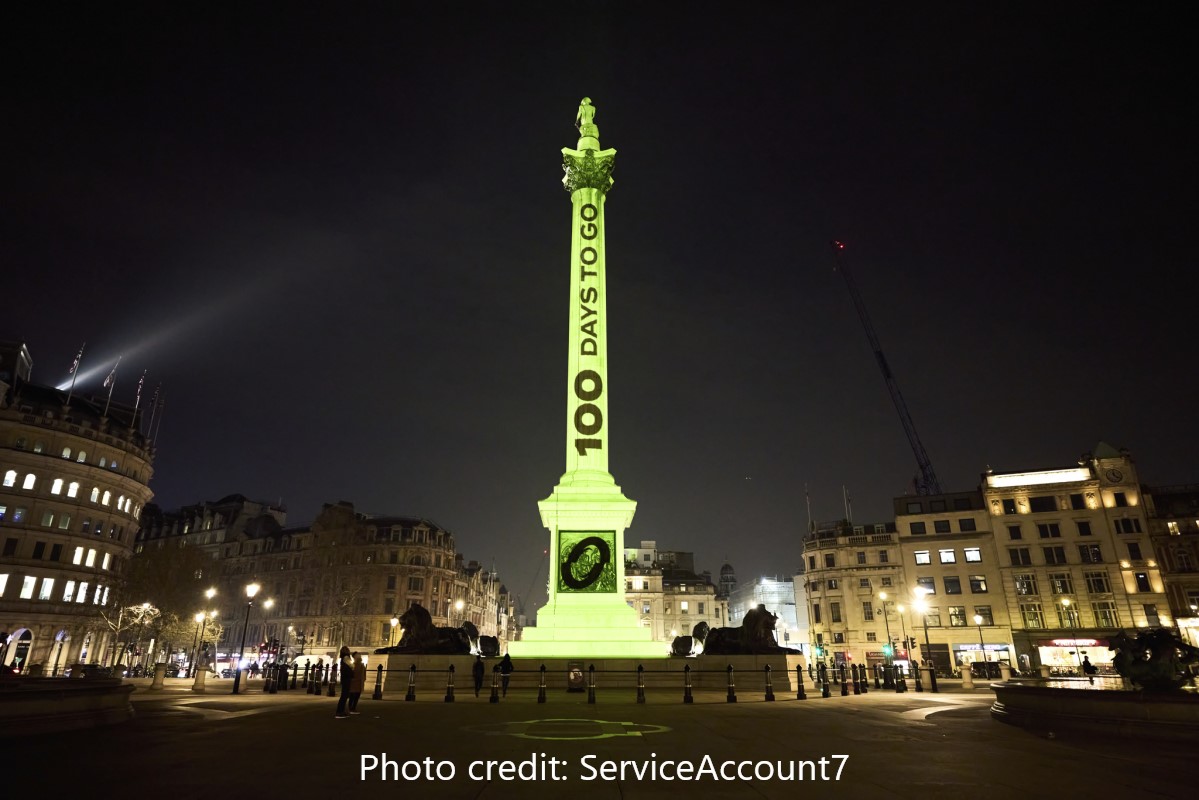
The format of the inaugural Nations Championship has brought a fundamentally new mindset to international teams and their coaches, completely rewriting the traditional Test rugby playbook.
Under this high-stakes format, claiming the top spot in your hemisphere’s table is the only golden ticket to the showpiece 1st vs 1st Grand Final on Sunday 29 November at Allianz Stadium. Every match, point scored, and bonus point collected carries existential weight.
Welcome to the era of the 'sprint season', where rugby’s premier coaches are obsessing over the margins, and for the Springboks, it means proving they can adapt best to a system that demands relentless point-scoring.
This creates a fascinating tactical paradox for the reigning world champions. Although the Springboks beat the All Blacks 3-1 in their recent series, their traditional style of play does not naturally favour big wins or the easy accumulation of four-try bonus points.
South Africa’s historic blueprint relies on suffocating pressure, set-piece dominance, and defensive attrition. Yet, in a tournament where bonus points are actively in play and essential to booking a spot in the final, a purely defensive mindset could see them win matches but fall behind on the table.
To counter this, Rassie Erasmus continues to elevate matchday disruption into an art form. The Springbok mastermind has long been at the vanguard of rugby innovation, but in a sprint season where every point and bonus point tilts the scales, Erasmus has been up to his 'new' tricks.
During the first three Tests of “The Greatest Rivalry" against New Zealand, the Springboks' management team were up to their old tricks, submitting surprise and extremely late front-row changes to disrupt the opposition’s scrum preparation being one controversial example.
Paired with a ruthless 6-2 (or 7-1) bench deployment, Erasmus ensures the Boks maintain maximum physical output, capitalising on their world-leading 22-entry conversion rate through rolling mauls while adroitly managing the refereeing narrative to secure late-game set-piece dominance.
Across the divide, the Springboks' primary threat is building a system tailored specifically for this bonus-point hunt. Dave Rennie’s All Blacks rebuild relies on rapid structural and cultural alignment following the end of Scott Robertson’s tenure.
Rather than getting bogged down in convoluted coaching committees or superficial team-building gimmicks, Rennie grounded the All Blacks by forcing the squad to answer three fundamental identity questions: What does it mean to be an All Black? Who are we playing for? How do we want to be perceived?
Tactically, he has paired this emotional clarity with a lightning-fast multiphase game plan designed explicitly to exhaust heavy forward packs, while re-establishing the proven Hurricanes axis of Cam Roigard and Ruben Love to counter rush defences.
This high-tempo, expansive style is built to chase the four-try bonus points that could see New Zealand leapfrog South Africa on the ladder.
As the tournament moves across the equator for the crucial November leg, the schedule heavily tilts the scales of probability. The Springboks face a brutal gauntlet up north, forced to play France, Ireland, and Italy, three notoriously hostile environments that will test South Africa's tactical discipline to the absolute limit.
In stark contrast, the All Blacks face a significantly friendlier road to the final, lining up against Scotland, England, and Wales. Given the relative strength of these respective pools, the fixtures heavily favour New Zealand.
While the Boks slug it out in bruising, low-margin encounters against the world's elite, the All Blacks have a much clearer path to hunt the four-try bonus points that could ultimately decide who finishes atop the Southern Hemisphere standings.
Environmental factors might still swing some advantages back toward South Africa’s preferred style. Micro-kicking strategy and backfield spatial manipulation will dictate November's wet-weather clashes.
As the action moves to Northern Hemisphere venues, dry-track running rugby will give way to tactical territory battles. The teams that thrive will be those with heavy boot power, yes, but they must also utilise short, contestable diagonal kicks and precise grubbers into the five-metre channels to turn the opposition back-three.
Forcing turnovers inside the opposition 22-metre line provides the highest-yield platform for rapid try-scoring opportunities without committing excessive numbers to ruck battles, a reality that plays right into the Springboks' suffocating defensive structures.
Ultimately, adapting to refereeing interpretations could present the ultimate test in this global sprint. In a tournament where a single yellow card can destroy a team's points-differential standing, navigating neutral officiating during the cross-hemisphere November fixtures is paramount.
Whether adjusting to the strict ruck-entry enforcement typical of Six Nations officials or adapting to the higher ball-in-play speed and breakdown tolerance favoured by SANZAAR referees, micro-adjustments in body height and alignment speed will dictate the contest.
The sides that do their homework on specific refereeing tendencies will avoid momentum-shifting penalties while successfully sustaining 10-plus phase attacking drives.
With South Africa and New Zealand locked in a desperate duel for the single Southern spot, and Northern powerhouses like France (23% probability) and England (4%) sharpening their tools for home advantage, the margin for error has evaporated entirely.
The European contenders possess the tactical discipline and physical edge, but if the Springboks can marry their 1% sharpness with their unmatched forward power, they remain the team to beat to secure the historic Grand Final title.