
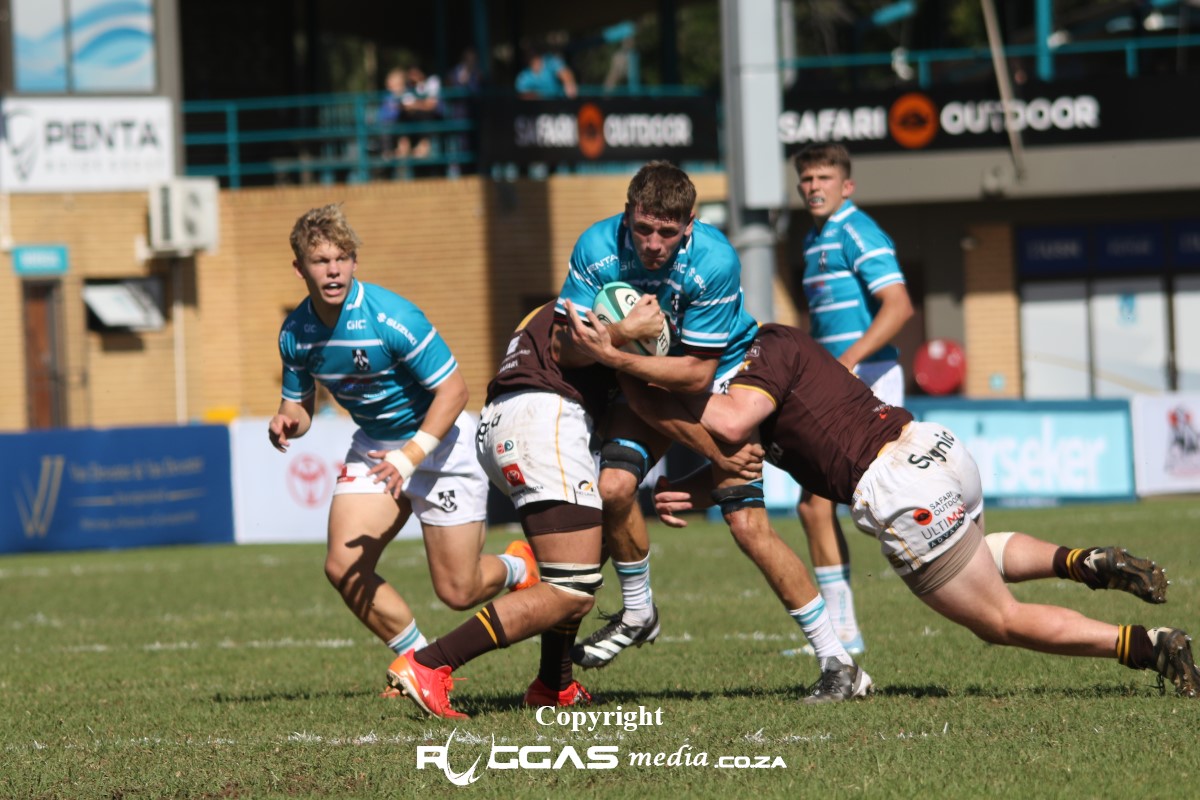
The moral outrage dominating the headlines regarding the “R1-billion schoolboy rugby market” has officially missed the mark. Pundits paint a picture of South Africa’s elite traditional rugby powerhouses acting as ruthless corporate raiders, systematically exploiting children for trophy hunting.
Enter former Springbok captain John Smit, who has selflessly stepped into the schoolboy rugby arena with his proposed "80% homegrown rule." It is a beautifully nostalgic sentiment dictating that 80% of a school's 1st XV roster must consist of players who have been continuously enrolled at that specific school since Grade 8.
It sounds wonderful on paper, but let’s call it what it actually is: a textbook campaign to punish excellence in a modern world where being outstanding is treated as a sin, and mediocrity is actively celebrated.
Smit’s proposal is a blunt instrument designed to force an artificial ceiling on teams. It assumes every 14-year-old’s developmental trajectory is identical. If a boy explodes into a world-class athlete at age 16, this logic dictates he should be legally barred from moving to a school that can better transition him into a professional setup.
Rather than forcing underperforming schools to improve their offerings, the system tries to pull high achievers down to a comfortable, uniform baseline.
To understand why this "anti-poaching" crusade is targeting the wrong villain, one must look at how the absolute top-tier rugby schools operate. These mega-programmes do not just throw millions at players; they run holistic, world-class high-performance units.
The country's premier rugby schools have complete infrastructure, full-time nutrition staff, sports psychologists, medical teams, and academic tutors, designed to develop promising young boys into top-tier human beings. Rugby excellence is a byproduct of their total environment, not an isolated metric.
Furthermore, these elite institutions operate with institutional precision, retaining top-tier legal counsel to navigate the complex legal potholes of bursaries, minor contracts, and constitutional frameworks. When they recruit, it is done within a structured, long-term developmental vision.
The dangerous, wild-west poaching tactics that trigger public outrage do not stem from these established giants. Instead, they occur in the desperate tiers below them.
The true nature of the schoolboy transfer market is perfectly illustrated by a real-world case involving a prominent, JSE listed private school in the Western Cape that sought media intervention after losing an Under-16 player at the U16 Grant Khomo Week. The school was outraged that a rival institution from greater Cape Town had allegedly "poached" their star asset in 2023.
The backstory, however, exposed the deep hypocrisy plaguing the lower tiers of the sport. The boy, originally scouted from an impoverished community, asked a school caretaker to help him travel 200km home during a stay-in weekend. It was the only weekend his mother, who worked six to seven days a week just to survive, had a window of time to do his laundry.
The caretaker selflessly undertook a 450km round trip to ensure the child could see his mother and get his kit cleaned. On the following Monday, the boy never returned. He had already enrolled at a rival school in Cape Town, lured away by the flashier promises of a slicker rugby programme.
When the original school was asked if this boy was a "homegrown" product they had nurtured since Grade 8, the answer was telling: No. They had scouted him from a poor school at the start of his Grade 10 year.
This revelation exposes the core truth of the schoolboy rugby crisis. The "poaching" cycle is a wheel spinning on pure hypocrisy. This JSE-listed private school had happily hunted in the transfer market to recruit this exact player for their Under-16 pipeline, only to cry foul when a bigger fish with a more attractive offer did the same thing to them a few months later.
This is where the system becomes genuinely hazardous for young athletes. In these secondary tiers, rugby programmes are often not institutionalised. Instead, they are heavily driven by affluent parents demanding immediate, short-term success.
Because these schools lack the deep infrastructure and elite legal and medical support of the true rugby giants, their programmes exist strictly on a volatile, year-by-year basis. If a parent group pulls funding or a headmaster shifts focus, the scouted boys from vulnerable backgrounds are the ones left stranded without a pathway or a safety net.
Smit’s "80% rule" does not protect the child; it merely protects sub-elite, ego-driven school programmes from losing the talent they themselves scouted. It creates a safe space for mediocrity, ensuring schools that fail to build proper, holistic high-performance structures don't have to face the consequences of their structural shortcomings.
We must stop apologising for high-performance excellence. South Africa’s elite rugby schools provide an unparalleled gateway to professional sport and life-changing tertiary opportunities, backed by world-class structures and legal compliance.
The moral panic shouldn't be aimed at the giants who do it right. It should be aimed at the hypocritical, lower-tier programmes treating vulnerable children as short-term commodities to satisfy parental pride.