
Is South African rugby on the verge of another massive structural shift? Several United Rugby Championship (URC) unions are actively pushing to align the Carling Currie Cup directly with the URC and Investec Champions Cup windows. The proposal would expand South Africa's oldest domestic competition into a full, two-round home-and-away tournament, running concurrently with elite European club rugby.
While some traditionalists might fear this deepens the "devaluation" of the historic gold trophy, it answers a desperate plea from the heart of the domestic game.
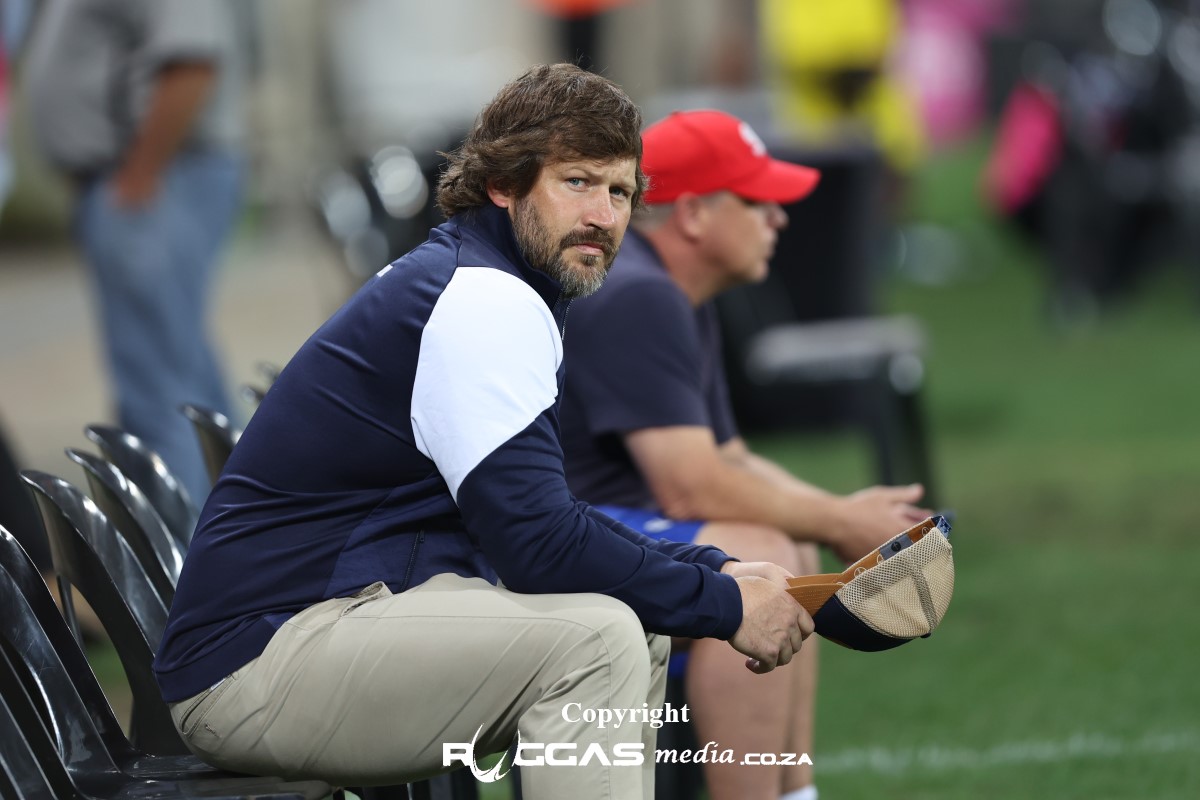
The push for a revamped, extended competition aligns perfectly with the frustrations of local rugby heavyweights. Speaking after the Toyota Cheetahs’ recent 31-26 victory over a Stormers XXIII, Cheetahs Director of Rugby Frans Steyn pulled no punches about the tournament's current trajectory.
The double World Cup winner argues that the current single round-robin format before the semi-finals is actively killing player progression.
“There’s a lot of talent. We need a competition that goes throughout the year and the young guys need to play. If there’s just seven games a year, how are they going to get better? For me, it feels like we’re just shoving it to the side and just sitting on it, and we’re scared of if we open up that beast, what it can become for South Africa,” Frans Steyn said.
While non-franchise unions get stability, South Africa’s big four, the Vodacom Bulls, DHL Stormers, Hollywoodbets Sharks, and Fidelity ADT Lions, stand to gain a massive operational advantage. Managing a modern professional rugby squad across European and domestic fronts is a logistical nightmare, but a concurrent Currie Cup acts as the perfect structural pressure valve.
Instead of tracking tackle bags on a Tuesday and sitting in the stands on a Saturday, a franchise's secondary unit logs high-stakes, competitive minutes. If a URC coach loses a starting player on a Friday night in Dublin, they can confidently fly out a replacement who is already battle-hardened and match-fit.
Also historically, easing a marquee player back from a long-term injury meant risking them prematurely in a high-pressure URC or Champions Cup fixture. A parallel Currie Cup provides a lower-risk, high-intensity environment for returning stars to find their rhythm and match fitness before stepping back into Europe.
Then take into account that SA Rugby’s mandatory player management protocols dictate that top-tier stars must be rested for specific blocks during the season. Running a two-round domestic campaign simultaneously means franchises can seamlessly rotate their squads without suffering a drop-off in organisational synergy, keeping the entire collective sharp.
A single-round Currie Cup leaves very little margin for error or genuine progression. Young players need to make mistakes to grow, but a short sprint of a tournament forces coaches to rely heavily on desperate, short-term results rather than long-term talent cultivation.
An extended, double-round format completely changes the dynamic; aspiring stars get guaranteed, year-round exposure rather than a brief seven-game cameo, and they also learn the nuances of long-form league campaigns, experiencing the grit of back-to-back away legs and cyclical form.
An extended Currie Cup does not just benefit the big four franchises; it provides a lifeline and a defined purpose for South Africa's remaining unions. Teams like the Cheetahs, Griquas, and Boland Cavaliers have long felt financially and structurally marginalised in the URC era.
Steyn openly acknowledged that the Cheetahs are operating on the same modest budget as the Griquas, well away from the R75-million war chests of the major franchises. For these unions, an expanded Currie Cup re-establishes them as the vital lifeblood of the Springbok production line.
“We tried to fight the competition thing, and it didn’t work out," Steyn admitted. "So if we can be a place where U20S come to play more rugby and then move on, it’s fine. Then there’s a place for us in South African rugby."
For South African rugby to maintain its global supremacy, its domestic structures must adapt to serve its international ambitions.
Using the Currie Cup as a parallel elite shadow league does not disrespect its heritage; it saves it. It gives the competition consistent purpose, provides sponsors with a reliable year-round broadcast product, and ensures that South Africa's conveyor belt of rugby talent never stops rolling. As Steyn rightly notes, winning the trophy is secondary to fixing the system: if the tournament structure is sound, the quality of South African rugby will follow.